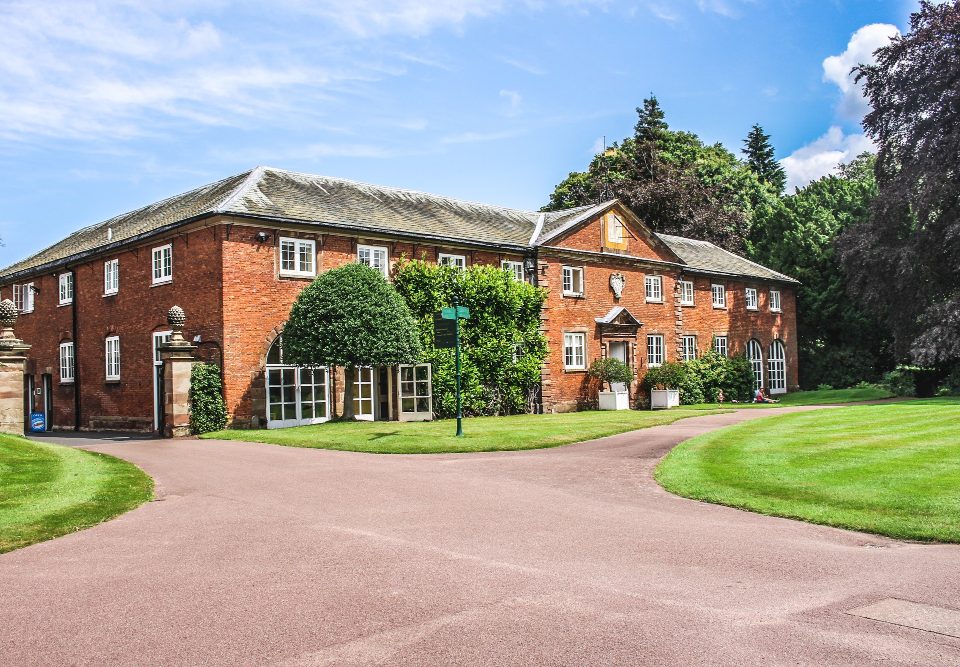
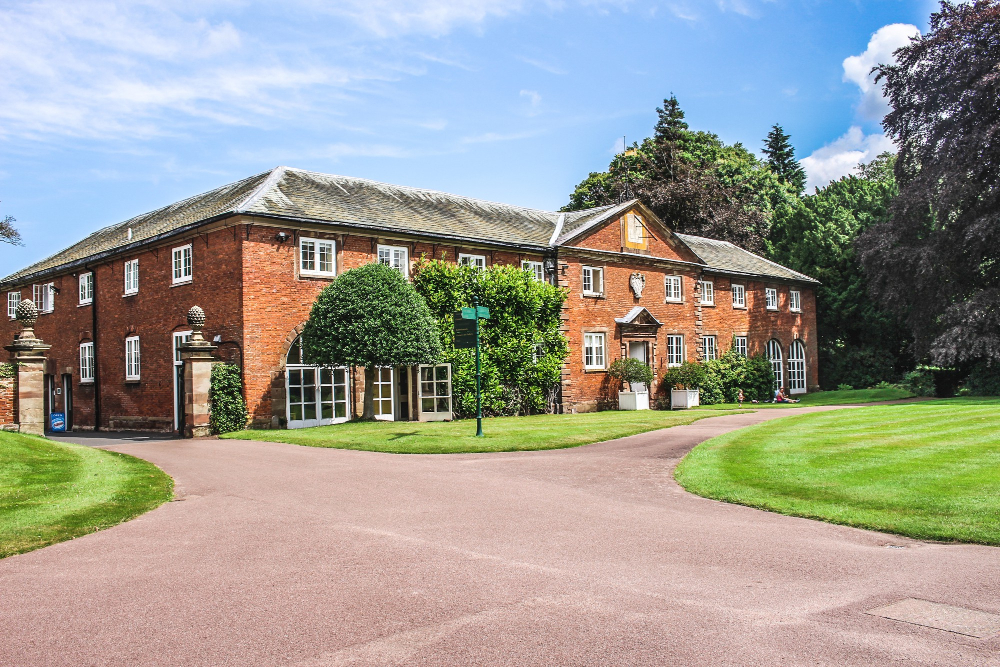
For a Classical Christian school, a building is more than a place to gather—it is a long-term vessel for formation. The right facility supports stability, fosters community, and enables growth. The wrong one can burden a school with hidden costs, regulatory challenges, or constraints that quietly undermine its mission.
At Verus Praedium Advisors, we approach each property with a disciplined, experience-informed process. Our aim is simple: to identify facilities that serve both the educational mission and the long-term financial health of the school.
Here’s how we evaluate a property for school use.
1. Location and Community Fit
A school does not exist in isolation. It draws families from a defined geographic area, and its success is closely tied to accessibility and visibility.
We begin by asking:
Is the property centrally located for the school’s target families?
Are traffic patterns manageable for daily drop-off and pick-up?
Is the surrounding community supportive of private or religious education?
We also consider proximity to churches, as many Classical Christian schools are closely tied to local congregations. A strong alignment between school and community often proves as valuable as the building itself.
2. Zoning and Entitlement Feasibility
One of the most common—and costly—mistakes schools make is underestimating zoning challenges.
Before moving forward, we assess:
Whether the current zoning permits educational use “by right”
If a Conditional Use Permit (CUP) or similar entitlement is required
The political and neighborhood climate surrounding such approvals
A property that appears ideal on the surface can quickly become impractical if entitlement risk is high. We place significant weight on properties with a clear and predictable path to approval.
3. Building Layout and Functional Suitability
Not all square footage is created equal. Schools require a specific type of layout that differs significantly from traditional office or retail space.
We evaluate:
Classroom sizes and configurations
Availability of common areas (assembly space, lunchrooms, chapels)
Administrative and faculty space
Outdoor areas for recess and athletics
Former schools, churches, and certain institutional buildings often present the best starting point. That said, we have also seen creative and successful conversions when the underlying structure supports it.
4. Safety and Compliance
The safety of students and staff is non-negotiable, and regulatory compliance is often more complex than expected.
Our review includes:
Fire and life safety systems (alarms, sprinklers, egress)
ADA accessibility requirements
Building code classification and required upgrades for school use
We also consider how easily the property can be brought into compliance. Some buildings require only modest updates; others may involve substantial capital investment.
5. Financial Viability
A property must serve the mission—but it must also be sustainable.
We analyze:
Acquisition or lease costs relative to the school’s budget
Expected capital expenditures (immediate and long-term)
Operating costs, including utilities, maintenance, and insurance
Our goal is to ensure that the facility strengthens the school’s financial position rather than becoming a source of ongoing strain.
6. Expansion Potential
Healthy schools grow. A property that works today but limits tomorrow’s enrollment can become a constraint.
We look for:
Additional land for future buildings or modular classrooms
Flexible interior space that can be reconfigured over time
Zoning allowances that support expansion
Even if growth is several years away, planning for it from the outset is a mark of wise stewardship.
7. Intangible Qualities
Finally, we consider something less tangible but no less important: the character of the property.
Does the building feel appropriate for the work being done there?
Does it lend itself to order, beauty, and permanence?
Classical Christian education is rooted in a tradition that values these things. While not every school begins in an architecturally ideal setting, we believe the physical environment should, over time, reflect the seriousness and dignity of the mission.
A Thoughtful, Disciplined Approach
Evaluating a property for school use requires more than a quick tour or a surface-level analysis. It demands careful consideration of legal, financial, operational, and philosophical factors.
When done well, the result is a facility that supports the school for decades—providing stability for leadership, confidence for families, and a foundation for lasting impact.
Secure Your Free Investor Guide
What if your investment portfolio could do more than generate returns? What if it could help establish permanent homes for the next generation of Christian leaders?
Download our complimentary guide, Top 7 Reasons to Invest in a Classical Christian School Property and discover why more faith-driven investors are recognizing this unique opportunity to combine wise stewardship with meaningful Kingdom impact.
Inside, you’ll learn:
Why Classical Christian education is experiencing sustained growth.
How school real estate can provide stable, long-term investment opportunities.
The unique advantages of investing in properties occupied by mission-driven schools.
How your capital can help strengthen Christian education for generations to come.
Join our email community to receive your free copy and stay informed about educational insights, market updates, and future investment opportunities aligned with your values.
Invest with purpose. Build a lasting legacy. Help provide permanent homes for Classical Christian schools.
We use cookies to personalise content and ads, to provide social media features and to analyse our traffic. We also share information about your use of our site with our social media, advertising and analytics partners who may combine it with other information that you’ve provided to them or that they’ve collected from your use of their services.
Cookies are small text files that can be used by websites to make a user's experience more efficient.
The law states that we can store cookies on your device if they are strictly necessary for the operation of this site. For all other types of cookies we need your permission. This means that cookies which are categorized as necessary, are processed based on GDPR Art. 6 (1) (f). All other cookies, meaning those from the categories preferences and marketing, are processed based on GDPR Art. 6 (1) (a) GDPR.
This site uses different types of cookies. Some cookies are placed by third party services that appear on our pages.
You can at any time change or withdraw your consent from the Cookie Declaration on our website.
Learn more about who we are, how you can contact us and how we process personal data in our Privacy Policy.
Please state your consent ID and date when you contact us regarding your consent.