Leasing Church Property for School Use – Part 3 of a 10 part series in a Practical Guide for Classical Christian Educators
You’ve found a church property that seems ideal—ample space, a welcoming congregation, and a location that serves your community well. There’s just one hurdle: the city requires a Conditional Use Permit (CUP) before a school can legally operate there.
For many Classical Christian schools, this is a new and sometimes intimidating process. But with good preparation, patience, and professional guidance, a CUP can be secured smoothly—and it can even strengthen your long-term partnership with the church and local community.
What a Conditional Use Permit Is
A Conditional Use Permit allows a local government to grant exceptions for certain land uses—such as schools—within zoning districts where those uses aren’t automatically permitted.
Essentially, the city reviews whether your proposed school fits the surrounding neighborhood and whether any conditions should be imposed to address traffic, noise, or safety concerns.
Think of it as the city’s way of saying, “Yes, but…”—yes, the use may proceed, but only if specific standards are met.
Why Schools Often Need a CUP
Even though many church buildings already function as community gathering places, weekday educational activity is fundamentally different in the eyes of most municipalities.
Traffic patterns change: Drop-off and pick-up generate steady weekday movement.
Occupancy increases: More people are in the building for longer hours
Noise and parking demands shift: Especially if classrooms or play areas are close to homes
A CUP gives the city a framework for evaluating and managing these factors responsibly.
The CUP Process Step-by-Step
While procedures vary by jurisdiction, most CUP applications follow a general sequence:
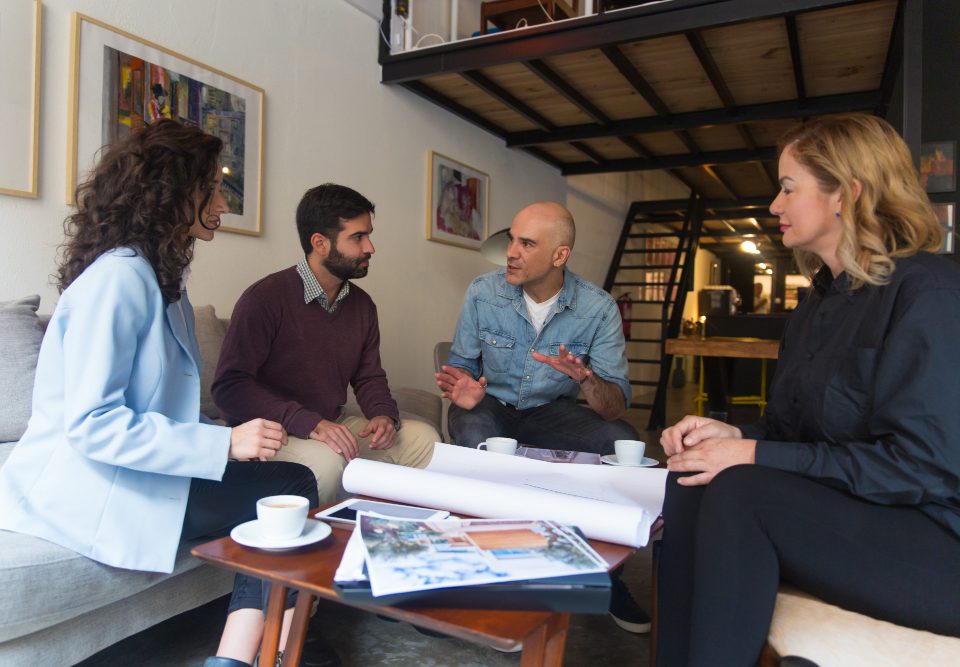
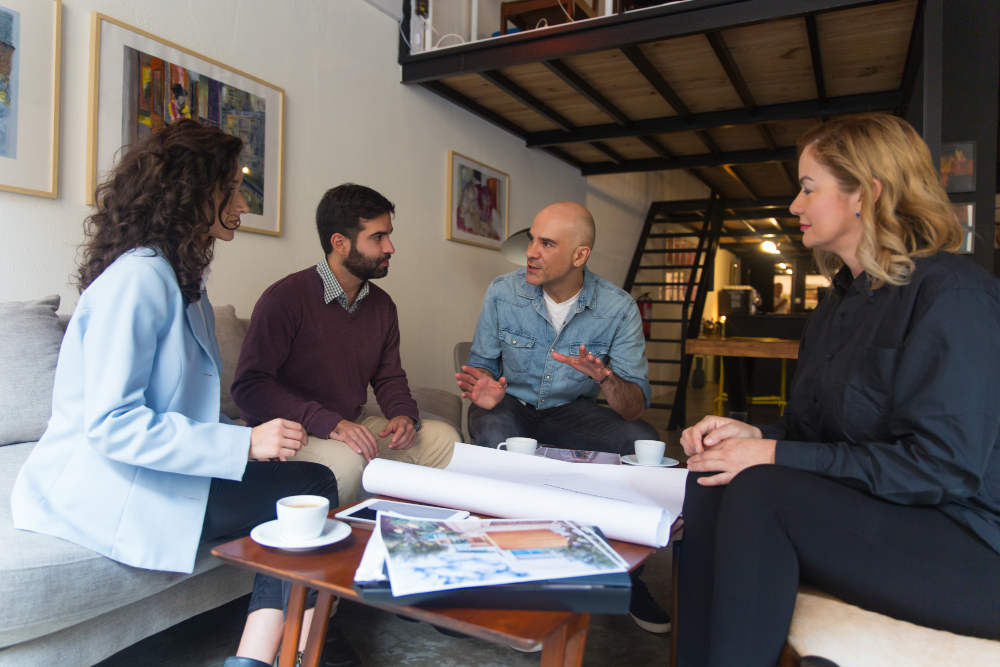
Pre-Application Meeting Meet with the city’s planning staff to discuss your proposal. Bring a site plan, basic enrollment projections, and a description of your intended operations. This meeting helps you understand local expectations early.
Formal Application Submit the CUP application along with fees, drawings, and supporting documents. You’ll typically need to show:
Traffic and parking analysis
Site and floor plans
Fire and life safety details
Narrative explaining your educational mission and daily schedule
Public Notification Nearby property owners are notified and invited to comment. This step can make or break a project if neighbors misunderstand your intent, so proactive communication helps.
Public Hearing The planning commission (or sometimes city council) reviews the application in a public meeting. You’ll have the opportunity to present your case and respond to questions.
Approval with Conditions If granted, the permit may include conditions such as maximum student enrollment, limited hours of outdoor play, or traffic management requirements
How Long It Takes
Timeframes vary widely—typically two to six months, though larger cities can take longer.
You’ll want to build this into your planning calendar. Never assume you can start classes before the permit is fully approved, even if the church already holds a CUP for other uses. Educational use must be explicitly authorized
How to Prepare and Present Well
A successful CUP process is as much about presentation as paperwork.
Tell Your Story Clearly: Describe the school’s mission and service to the community. City officials often appreciate clarity about your purpose and long-term vision.
Show Responsibility: Provide traffic management plans, safety procedures, and thoughtful site use strategies.
Engage Neighbors Early: Meet nearby residents, explain your plans, and listen to their concerns. A friendly face before the public hearing can prevent opposition later.
Be Professional: Have drawings and data prepared by qualified consultants—planners, architects, or engineers—who understand municipal processes
Aligning the Lease with the CUP Timeline
Since the CUP approval is uncertain until granted, the lease should be carefully structured:
Include a contingency clause allowing withdrawal if the CUP is denied.
Delay rent commencement until the CUP is approved and all conditions are met.
Define responsibilities if the city requires building upgrades as a condition of approval.
Your attorney should review these provisions to ensure the school is protected.
The Value of Doing It Right
Although the CUP process may feel burdensome, it can actually strengthen your school’s long-term position. Once approved, the CUP formally recognizes your educational use, providing clarity and legal standing for years to come.
In many cases, this designation increases confidence among lenders, insurers, and donors who prefer properties with clear, lawful entitlements.
In Summary
Securing a Conditional Use Permit is one of the most important milestones when leasing a church property for school use. It requires time, patience, and careful documentation—but the reward is a stable foundation for your school’s future.
Approach it as an opportunity to build credibility with your community and demonstrate your school’s commitment to excellence, order, and transparency.
Download the Leasing Toolkit
If you are currently navigating a lease—or want to be better prepared before the next opportunity arises—visit The Leasing Toolkit for Classical Christian Schools – VPAClassical.comto download our Leasing Toolkit. It’s designed to help school leaders avoid costly mistakes and approach real estate decisions with greater clarity and confidence.
Next up: Building Codes and Safety Standards for School Use — we’ll explore what makes a building truly ready for students and how to identify key code compliance issues before signing a lease.
We use cookies to personalise content and ads, to provide social media features and to analyse our traffic. We also share information about your use of our site with our social media, advertising and analytics partners who may combine it with other information that you’ve provided to them or that they’ve collected from your use of their services.
Cookies are small text files that can be used by websites to make a user's experience more efficient.
The law states that we can store cookies on your device if they are strictly necessary for the operation of this site. For all other types of cookies we need your permission. This means that cookies which are categorized as necessary, are processed based on GDPR Art. 6 (1) (f). All other cookies, meaning those from the categories preferences and marketing, are processed based on GDPR Art. 6 (1) (a) GDPR.
This site uses different types of cookies. Some cookies are placed by third party services that appear on our pages.
You can at any time change or withdraw your consent from the Cookie Declaration on our website.
Learn more about who we are, how you can contact us and how we process personal data in our Privacy Policy.
Please state your consent ID and date when you contact us regarding your consent.